
Sustainable and Eco-Friendly Painting Options For Your Walla Walla, WA Home
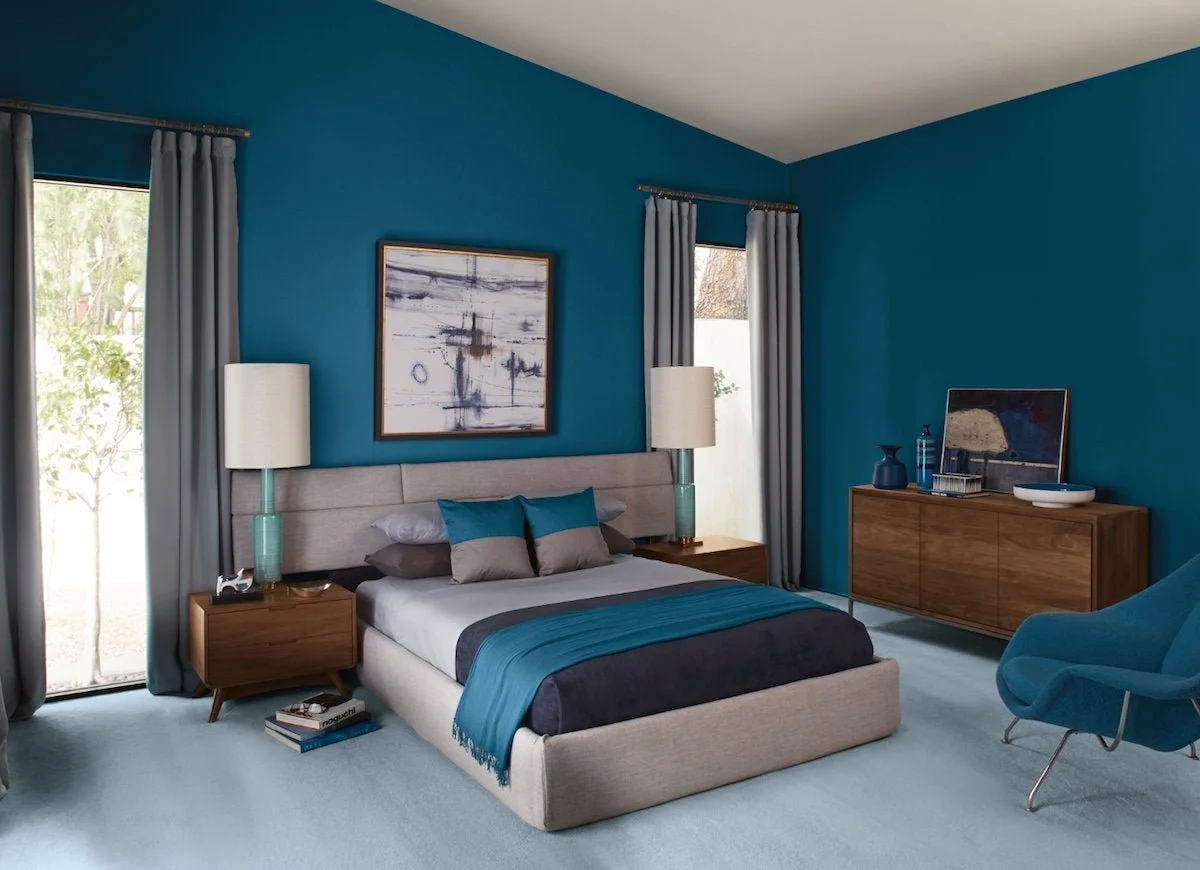
Painting your home can refresh its appearance, protect its surfaces, and make your living spaces more comfortable. For homeowners in Walla Walla, WA, choosing sustainable and eco-friendly painting options also means considering the region's dry summers, cold winters, and seasonal temperature changes. The right products and preparation methods can help reduce environmental impact without sacrificing durability or appearance.
Quick Answer: Sustainable painting involves choosing low-VOC or zero-VOC paints, using durable coatings suited to local weather, minimizing material waste, and following responsible cleanup and disposal practices. For homes in Walla Walla, water-based acrylic paints are often practical choices because they offer good durability, manageable cleanup, and a range of lower-emission formulations. The best option depends on whether you're painting interior walls, exterior siding, trim, or another surface.
What Walla Walla Homeowners Should Know About Eco-Friendly Painting
Low-VOC and zero-VOC paints can reduce the release of certain airborne chemicals during and after application.
Walla Walla's hot, dry summers make proper surface preparation and temperature-appropriate exterior coatings especially important.
Cold winters and seasonal moisture can affect exterior paint performance, making adhesion and moisture resistance essential.
Durable paint finishes can reduce the frequency of repainting and the materials needed over time.
Responsible paint disposal helps prevent leftover coatings and cleaning materials from entering local waterways or storm drains.
Eco-friendly painting is about more than choosing a product with a green label. It involves making practical decisions throughout the painting process, from preparation and product selection to application and maintenance.
At 4 Seasons Painting + Construction, we understand that local homeowners want attractive, long-lasting finishes while making thoughtful choices about their homes. We can help homeowners consider painting options that balance appearance, durability, and environmental priorities.
Sustainable Painting Considerations for Walla Walla Homes
Sustainable painting in Walla Walla starts with selecting products that suit the local climate, building materials, and intended application. Lower-emission paints can improve the painting experience indoors, while durable exterior coatings help protect surfaces against summer heat, winter moisture, and temperature fluctuations.
The Walla Walla Valley experiences a climate with warm, generally dry summers and cooler, wetter conditions during parts of the year. These seasonal differences influence how paint should be selected and applied.
For example, exterior wood siding exposed to afternoon sunlight may require different preparation and coating considerations than a shaded porch or north-facing wall.
Homes near downtown Walla Walla may also have older painted surfaces that require additional evaluation before repainting. Properties in College Place and surrounding rural areas can face similar concerns, especially where siding, trim, and exposed wood have experienced years of weathering.
The most sustainable choice is often a properly applied coating that performs well for its intended lifespan.
How Eco-Friendly Paint Choices Affect Your Home
Eco-friendly paint choices can help Walla Walla homeowners reduce indoor chemical emissions, limit unnecessary waste, and maintain painted surfaces more efficiently. However, environmental benefits depend on the paint formulation, surface preparation, application methods, and how long the finished coating lasts.
Indoor Air Quality
Many conventional paints release volatile organic compounds, commonly called VOCs, as they dry and cure.
Low-VOC and zero-VOC paints are formulated to contain reduced levels of these compounds. They can be useful for bedrooms, living rooms, kitchens, and other frequently occupied spaces.
However, zero-VOC does not necessarily mean completely emission-free. Colorants and other ingredients may still contribute emissions, so reviewing the full product information is worthwhile.
Long-Term Exterior Protection
Durable exterior paint helps protect siding and trim from moisture and weather-related deterioration.
For homeowners in Walla Walla County, selecting a coating that withstands seasonal changes can reduce premature peeling, cracking, and repainting.
Reduced Material Waste
Accurate measurements, appropriate product quantities, and careful application help prevent unnecessary paint purchases.
Using quality products and maintaining painted surfaces can also reduce waste associated with frequent repainting projects.
Warning Signs Your Current Paint May Need an Eco-Friendly Upgrade
Your home's existing paint may need attention when visible deterioration, persistent odors, or difficult-to-maintain surfaces indicate that a new coating system would be beneficial. In Walla Walla, seasonal weather exposure can make these issues especially noticeable on exterior siding and trim.
Watch for these signs:
Peeling or flaking paint: Loose coatings may indicate moisture problems, poor adhesion, or aging paint.
Fading exterior colors: Prolonged summer sun exposure can gradually change paint appearance.
Cracked or chalky surfaces: These conditions may signal coating deterioration.
Persistent paint odors: Strong lingering odors after a recent project may warrant ventilation and product review.
Frequent touch-ups: Repeated maintenance can indicate that the existing finish is unsuitable for the surface.
Mildew or moisture staining: These issues should be investigated before applying fresh paint.
Unknown paint on older surfaces: Homes built before 1978 may contain lead-based paint that requires special precautions.
Not every warning sign requires a complete repaint. Some surfaces may benefit from cleaning, localized repairs, or targeted preparation.
When to Call a Professional for Sustainable Painting
Professional painting assistance is especially valuable when Walla Walla homeowners need extensive surface preparation, exterior coating selection, or safe handling of potentially hazardous existing paint. A professional assessment can help determine whether repainting, repairs, or additional moisture investigation should come first.
Homeowners can safely inspect accessible surfaces for fading, minor wear, and visible coating damage.
Professional assistance becomes more important when projects involve elevated exterior areas, widespread peeling, damaged siding, or suspected lead-based paint.
For pre-1978 homes, renovation activities that disturb painted surfaces may be subject to the EPA's Renovation, Repair and Painting Rule. Appropriate lead-safe procedures should be addressed before sanding or removing old coatings.
Common Causes of Premature Paint Failure in Walla Walla
Premature paint failure in Walla Walla commonly results from inadequate preparation, moisture exposure, unsuitable products, and application during unfavorable weather. Even environmentally preferable coatings can deteriorate early when the underlying surface or application conditions are not properly addressed.
1. Summer Heat and Direct Sunlight
High surface temperatures can cause paint to dry too quickly, potentially affecting adhesion and finish quality.
2. Winter Moisture
Rain, snow, and trapped moisture can contribute to peeling or blistering when water enters painted materials.
3. Inadequate Surface Preparation
Dust, loose paint, grease, and deteriorated coatings can interfere with proper bonding.
4. Incorrect Product Selection
Interior paints, exterior coatings, primers, and specialty finishes have different performance requirements.
Selecting the wrong product for wood, masonry, metal, or drywall can shorten the useful life of a paint job.
Prevention and Maintenance for Eco-Friendly Paint Finishes
Maintaining eco-friendly paint finishes involves gentle cleaning, periodic inspections, prompt moisture repairs, and touch-ups before small problems become widespread. For Walla Walla homeowners, spring and fall are useful times to examine exterior surfaces after seasonal weather changes.
A practical maintenance routine includes:
Inspect siding, trim, and exposed wood each spring.
Remove accumulated dust and dirt using methods recommended by the coating manufacturer.
Check caulking around windows, doors, and exterior joints.
Address leaks and drainage problems before repainting.
Store leftover paint according to manufacturer instructions for future touch-ups.
Follow local household hazardous waste guidance for products that cannot be reused.
Avoid aggressive pressure washing that could damage siding or force moisture behind exterior materials.
What Results Can You Expect From Sustainable Painting?
Sustainable painting can provide an attractive finish, reduced emissions from appropriately selected products, and reliable surface protection when preparation and application are completed correctly. Results vary according to the paint formulation, substrate condition, weather exposure, and maintenance practices.
For interior projects, homeowners can expect a broad selection of low-VOC and zero-VOC products in different colors and sheens.
For exterior projects, high-quality water-based acrylic coatings can provide strong color retention, flexibility, and weather resistance when used on suitable surfaces.
No paint is completely maintenance-free, and environmental claims should be evaluated alongside actual product performance.
Common Eco-Friendly Painting Mistakes to Avoid
The most common sustainable painting mistakes involve choosing products based only on marketing claims, overlooking preparation, or using coatings unsuitable for local conditions. Walla Walla homeowners can avoid unnecessary repainting by balancing environmental characteristics with practical performance requirements.
Common mistake Possible consequence Better approach Choosing paint solely because it says "green" Product may not meet durability needs Review VOC content, certifications, and intended use Painting during extreme heat Uneven drying or adhesion problems Follow manufacturer temperature and application guidelines Skipping primer Poor adhesion or inconsistent coverage Use compatible primer when the surface requires it Buying excessive paint Unnecessary leftover materials Measure surfaces and estimate quantities carefully Ignoring moisture damage Premature peeling or blistering Correct moisture sources before painting
A Common Local Scenario: Refreshing an Older Home
A common sustainable painting scenario in Walla Walla involves an older home with fading exterior siding, peeling trim, and several layers of existing paint. The homeowner wants to improve curb appeal while minimizing unnecessary material use and choosing environmentally preferable products.
The first step is evaluating the condition of the siding and identifying any moisture damage or potentially hazardous older coatings.
If the underlying materials remain sound, careful preparation and an appropriate lower-VOC exterior coating may offer a practical solution.
If wood has deteriorated, repairs should be completed before painting. Covering damaged materials with new paint generally does not resolve the underlying problem.
This approach can be especially relevant to older homes around downtown neighborhoods, where existing paint systems and building materials deserve careful consideration.
Related Painting Services and Sustainable Solutions
Sustainable painting services can include interior repainting, exterior painting, surface preparation, primer selection, and protective finishing. The right combination helps Walla Walla homeowners achieve their desired appearance while reducing avoidable waste and premature coating failure.
Interior Painting
Low-VOC and zero-VOC products are worth considering for bedrooms, living spaces, hallways, and other occupied rooms.
Exterior Painting
Durable exterior coatings help protect siding and trim from regional weather conditions while supporting long-term maintenance goals.
Surface Preparation and Repairs
Cleaning, sanding where appropriate, caulking, and repairing damaged surfaces improve the conditions needed for successful coating performance.
We can discuss product options and project considerations based on the surfaces being painted and the homeowner's priorities.
Explore sustainable painting options for your home
Comparing Eco-Friendly Painting Options
Comparing eco-friendly painting options requires looking at emissions, durability, maintenance, and surface compatibility rather than focusing on a single product claim. Walla Walla homeowners should select finishes according to the specific room or exterior material being painted.
Painting option Potential benefits Considerations Low-VOC paint Reduced VOC content compared with higher-VOC alternatives Formulations and emissions vary Zero-VOC paint Very low VOC content under applicable testing definitions Added colorants and ingredients may affect emissions Water-based acrylic paint Often durable, flexible, and easier to clean up Must match the surface and exposure Mineral-based paint Can offer low-VOC formulations and good performance on compatible masonry Requires suitable substrates and preparation Recycled-content paint Can reduce demand for newly manufactured paint materials Availability, color selection, and suitability vary
For larger projects, professional application may also help reduce waste from incorrect product selection, poor coverage, or avoidable rework.
Sustainable Painting in Walla Walla and Nearby Communities
Sustainable painting considerations apply throughout Walla Walla, College Place, and surrounding Walla Walla County communities. Homes near the Blue Mountains foothills, residential neighborhoods, and rural properties may experience different levels of sun exposure, moisture, and surface weathering.
Product selection should reflect each property's materials and conditions rather than relying on one coating for every situation.
The Cost of Ignoring Deteriorating Paint
Ignoring deteriorating paint can increase future preparation and repair requirements, particularly when exposed wood or siding allows moisture to penetrate. In the Walla Walla Valley, seasonal temperature changes and winter precipitation can make unresolved exterior coating problems more difficult to manage.
A small area of peeling paint may initially require limited preparation and touch-up work.
If the underlying surface continues deteriorating, additional scraping, priming, or material replacement may become necessary.
Addressing paint problems early can help homeowners avoid unnecessary material use and preserve existing surfaces.
Request a painting assessment before minor damage spreads
Frequently Asked Questions About Eco-Friendly Painting in Walla Walla
What is the most eco-friendly paint for a Walla Walla home?
The most eco-friendly paint is generally a low-emission, durable product that is appropriate for the intended surface and requires minimal unnecessary maintenance. For many Walla Walla homes, low-VOC or zero-VOC water-based paints are practical options. Product certifications, coverage, durability, and proper disposal should also influence the decision.
Are zero-VOC paints completely safe for indoor use?
Zero-VOC paints generally contain very low levels of regulated volatile organic compounds, but they are not necessarily free of all emissions or potential irritants. Homeowners should review product information, provide appropriate ventilation, and follow manufacturer instructions. Individuals with chemical sensitivities may need additional precautions during painting and curing.
What type of exterior paint works well in Walla Walla's climate?
High-quality exterior acrylic latex paint is often a suitable choice for properly prepared wood siding and many other compatible surfaces. Walla Walla's warm summers and cooler, wetter winters make adhesion, flexibility, and weather resistance important. The correct primer and finish depend on the substrate and existing coating.
When is the best time to paint a house in Walla Walla?
Spring and fall often provide useful opportunities for exterior painting when temperatures, moisture conditions, and weather forecasts meet manufacturer requirements. Summer painting is also possible, but direct sunlight and hot surfaces require careful planning. Avoid painting during rain, on damp materials, or when temperatures fall outside the product's recommended range.
Can eco-friendly paint last as long as traditional paint?
Yes, properly selected low-VOC and zero-VOC paints can offer durability comparable to other coatings. Performance depends on formulation, surface preparation, application, and environmental exposure. A premium lower-emission exterior paint may perform better than an unsuitable conventional product, but no environmental label alone guarantees longer service life.
Is eco-friendly painting more expensive in Walla Walla?
Eco-friendly painting may have a higher initial material cost depending on the brand, formulation, and product requirements. However, total project cost also includes preparation, labor, repairs, and maintenance. Choosing a durable coating suited to Walla Walla County conditions may help reduce avoidable future repainting expenses.
How should leftover paint be disposed of in Walla Walla County?
Leftover paint should be reused, stored safely for touch-ups, or taken to an appropriate collection program when available. Homeowners should confirm current acceptance requirements with Walla Walla County waste management resources or PaintCare Washington. Never pour paint, solvents, or contaminated cleaning water into storm drains or onto the ground.
Can I paint over old paint on a historic Walla Walla home?
Existing paint can sometimes be coated successfully when it is sound, clean, and compatible with the new system. However, older homes may have deteriorated layers or lead-based coatings. Before disturbing paint on pre-1978 housing, determine whether lead-safe renovation requirements apply and use appropriate professional procedures.
Are low-VOC paints available in different colors and finishes?
Yes, many low-VOC and zero-VOC paint lines offer extensive color selections and common finishes, including matte, eggshell, satin, and semi-gloss. Availability varies by manufacturer and product line. Homeowners should confirm whether tinting affects the paint's stated VOC content and choose a sheen appropriate for the room or surface.
Make a More Sustainable Choice for Your Next Painting Project
Eco-friendly painting offers Walla Walla homeowners an opportunity to refresh their properties while making thoughtful decisions about indoor air quality, material use, and long-term surface protection.
Choosing the right paint is only part of the process. Proper preparation, suitable application conditions, and regular maintenance help make sustainable painting choices more effective.
Whether you're planning an interior color update or preparing your exterior for another season of changing weather, we can help you explore practical painting solutions for your home.
Refresh Your Walla Walla Home With Sustainable Painting Options
Create a beautiful, lasting finish while making informed choices about paint products, preparation, and environmental impact.
